Images today have immense power — they communicate faster than words, catch attention, and shape brand identity. No wonder that in the era of endless scrolling, photos are at the core of visual communication. But that power comes at a cost.
From the beginning, we knew that as an association we needed a website. A site that would show who we are, what we do, and where we can present our work, workshops, and lectures. But this comes with a serious problem: how to make the website “pretty” and full of visual content like images (aesthetics), and at the same time keep it lightweight and low-energy (ethics)? How do you stay true to your own message about conscious design while building a site that’s part of the problem?
Every image uploaded online doesn’t disappear — it’s stored on a server, needs energy to be maintained and transferred. The higher the resolution, format, and file size, the bigger its carbon footprint.
But what is the actual cost of 1 MB?
Different sources, different data:
How much CO₂ does transferring 1 MB of data emit? Unfortunately — as often — it depends.
The IEA’s latest data estimates that transferring 1 MB results in about 0.03 grams of CO (source).
Calculations from The Cost of a Byte on Medium state ~0.086 g CO₂ per 1 MB (source).
To put this in context:
Producing 100g of beef generates about 15.5 kg CO₂ (source).
One 100g serving is the equivalent of transferring 500 GB.
The Tesla Model 3 emits on average 0.81 kg CO₂ per 10 km (source).
0.03 g equals 0.00037 km, or 0.37 meters.
At first glance, this doesn’t seem like much, but that number refers to just 1 MB — and globally, we generate approximately 402.74 trillion MB daily (source). This becomes problematic especially with our everyday media consumption and the ease of access to subscriptions:
Default settings on Spotify use over 2 MB for a 3-minute song. That’s 40 MB per hour or 960 MB per day (source).
Every movie stream on Netflix in standard resolution uses 1 GB per hour (24 GB daily). High-resolution movies can use up to 3 GB per hour (72 GB daily). Ultra HD uses 7 GB per hour (168 GB daily) (souce).
So what can be done?
We decided that no matter what we do — we’ll consume energy and emit CO₂. But to lead visual communication in a way that aligns with our core beliefs and still looks professional and aesthetic? Simple: choose an image saving technique that allows for generating the smallest possible images, while also visually reflecting our values.
02 —
What is dithering?
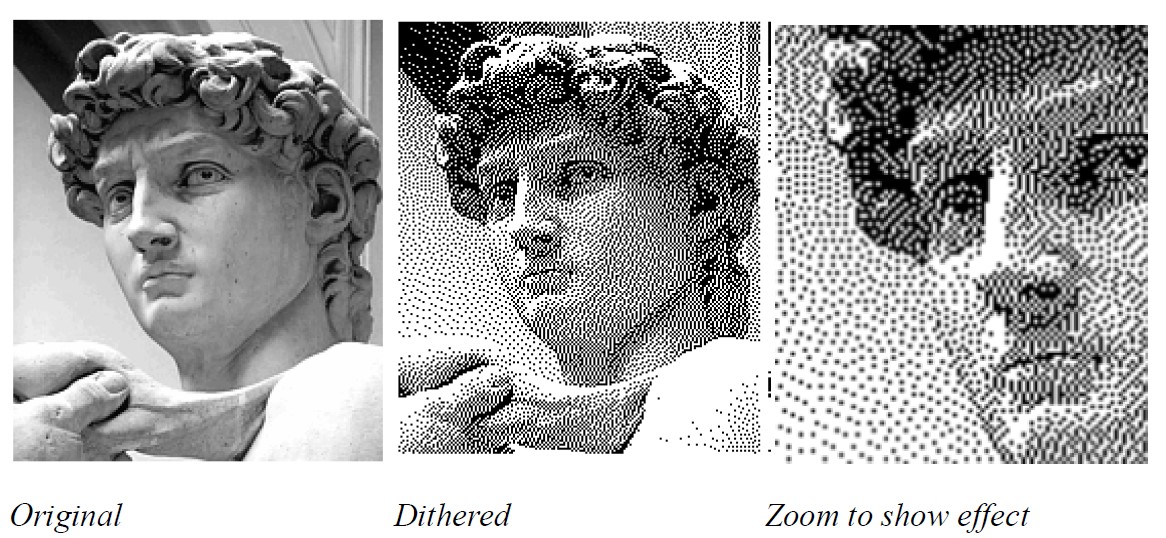
Dithering is an image processing technique that simulates tonal transitions and colors even with a limited color palette. It achieves this through strategically placed pixels that interact with the viewer’s visual perception.
This approach was once commonly used in newspaper printing or early 8-bit systems, and today it’s finding new life in the context of sustainable digital design. Why? Because a limited color palette means smaller data volumes — lighter files, faster load times, and a lower carbon footprint.
For us, this is doubly beneficial: we can reduce our website’s weight, generating a smaller carbon footprint, and at the same time create a visual expression of our mission for conscious design.
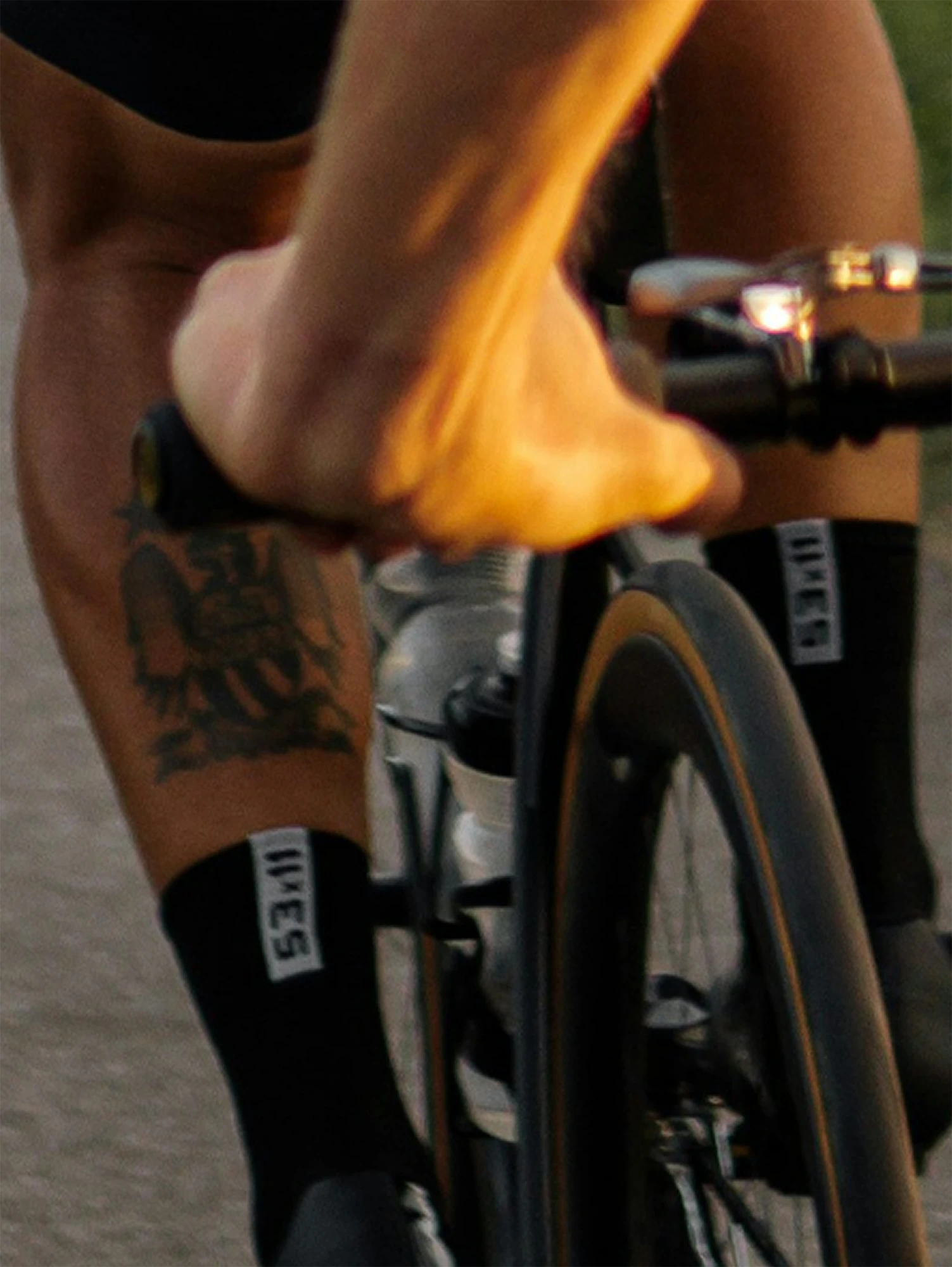
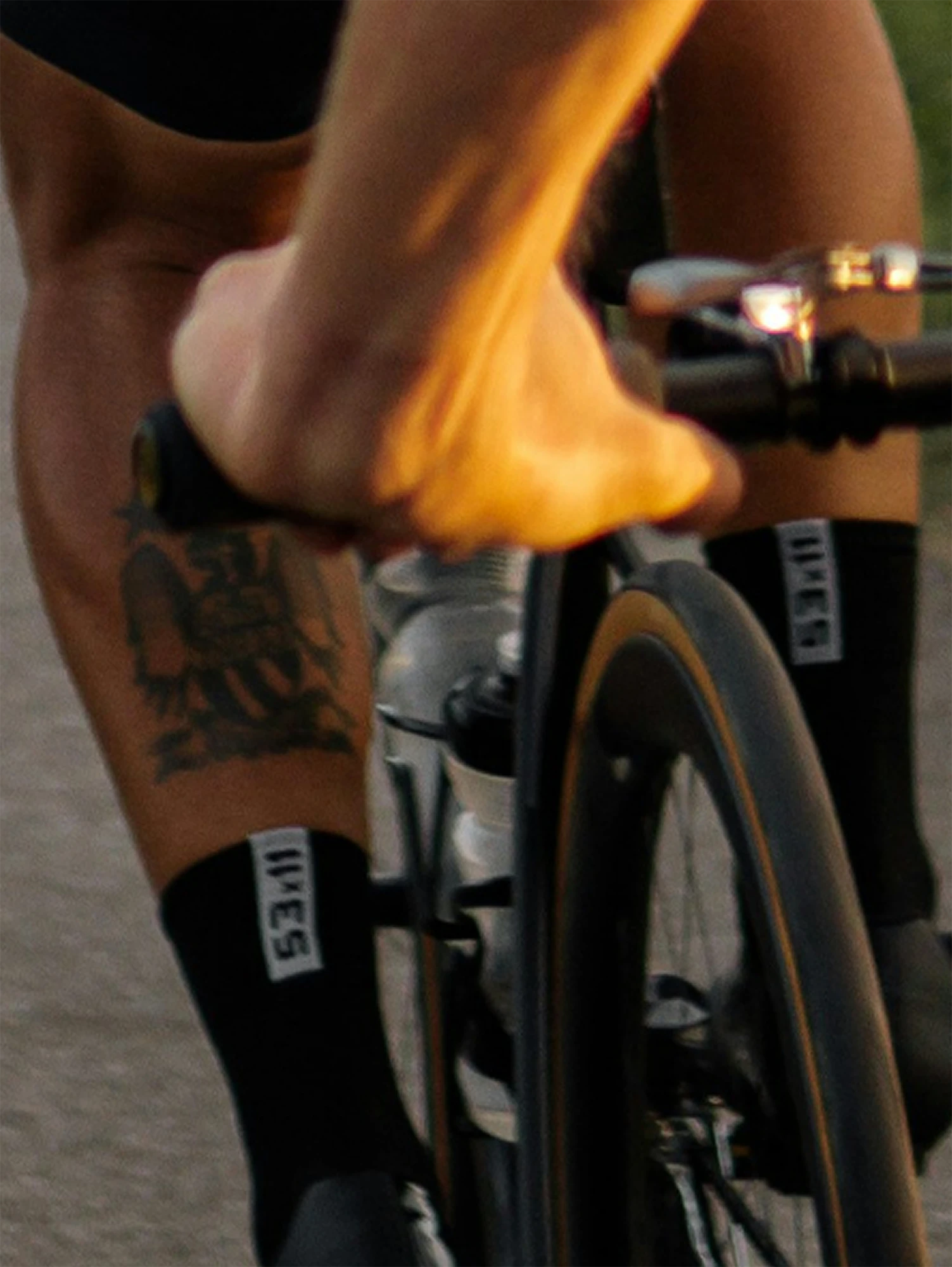
Below I made test samples based on a photo from Unsplash:
Photo from Unsplash — Reduced to 600 px width + indexed color palette (32 colors)
Format: changed to .png
Size: 53 KB (1.7% of the original)
We didn’t just reduce the weight of one image to 1.7% of the original — we also created a unique and characteristic visual language for our brand.
03 —
Ethics vs. aesthetics
In design, there’s often a belief that ethics and aesthetics are two opposing forces — that the choice between what’s “beautiful” and what’s “responsible” means necessary compromise. But resource limitation — though rooted in care for the planet — can be turned into a new visual quality that’s equally appealing.
Brands and designers around the world are increasingly recognizing and using this. Studio Snøhetta showed this through their redesigned website: cutting down on excessive interactions and images resulted in a coherent style that’s engaging and generates a significantly lower carbon footprint.
Similarly, for Future Forms, dithering is more than a marketing tactic. The attempt to avoid unnecessary file weight doesn’t lead to compromising on form, but to a new visual language where beauty stems from conscious decision-making, not coincidence. In this way, our design gains depth: becoming a dialogue between visual impression and actual, positive impact on the world.
For us, dithering is not just a visual technique — it is a conscious choice that connects aesthetics with responsibility. By reducing the number of colors, it is possible to significantly decrease the file size of graphics, which translates into faster page loading, lower energy consumption, and a smaller carbon footprint. On average, using dithering can reduce the weight of images by as much as 75–90% compared to full-color images.
Do we expect everyone to start using dithered images now? No. But we want to show that it is possible to approach this problem consciously, and in doing so, create a stronger visual language for a brand.
From a global perspective, where the internet operates with a massive CO₂ footprint, the digital carbon footprint associated with the functioning of the internet is constantly growing (currently estimated at 3.7% of global emissions). Every bit matters. Even reducing the size of images can have a measurable environmental impact. A conscious approach to using images, dithering, and optimizing formats are concrete actions that truly reduce the digital footprint.
This strategy brings benefits not just for the planet and users, but also for business — faster, lighter websites mean better SEO, lower hosting costs, and higher user retention.
Bibliography
Kamiya, George (2020, December 11). The carbon footprint of streaming video: fact-checking the headlines. International Energy Agency.